Blocked drains are one of the most common plumbing problems in Rockingham homes, and they always seem to happen at the worst possible time. Whether it is a slow-draining kitchen sink, a gurgling shower drain, or a completely backed-up sewer line, understanding what causes blockages can help you prevent them from occurring in the first place. Here are the most common culprits behind blocked drains in the Rockingham area and what you can do about each one.
Tree Roots
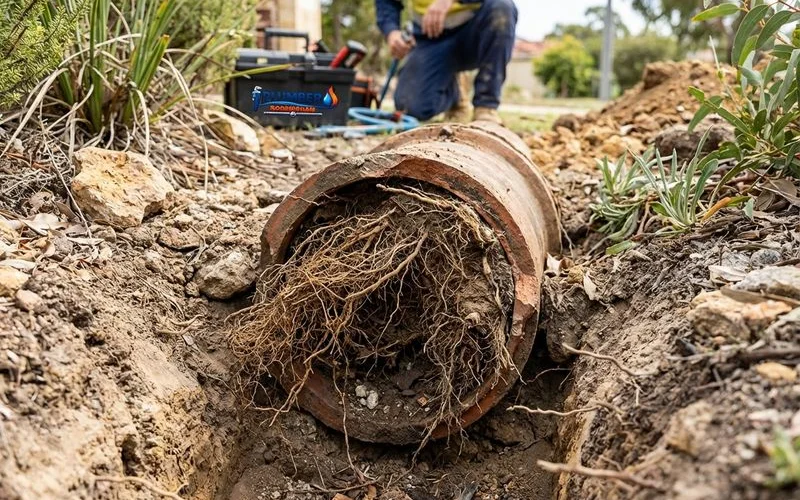
Tree root intrusion is the number one cause of serious drain blockages in residential properties across Rockingham. The sandy soil conditions common throughout the Rockingham area make it relatively easy for tree roots to travel long distances in search of moisture. Your sewer and stormwater pipes are an ideal water source, and roots will exploit even the smallest crack or joint gap to gain entry.
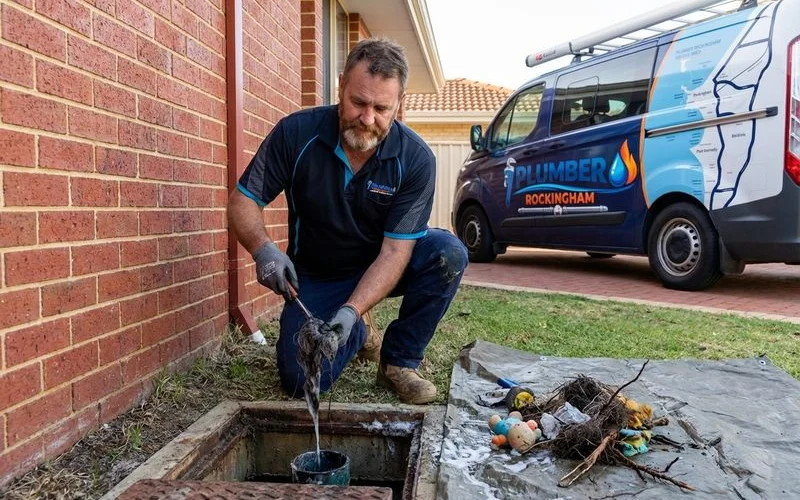
Once inside the pipe, roots grow rapidly and form a dense mass that catches everything flowing through the drain. Hair, grease, food particles, and other debris become trapped in the root network, creating a progressively worsening blockage. Left untreated, tree root intrusion can eventually crack or collapse the pipe entirely, requiring expensive excavation and replacement.
Species commonly planted in Rockingham gardens that are known for aggressive root systems include paperbarks, willows, fig trees, and some varieties of eucalyptus. Even smaller trees and large shrubs can cause problems if they are planted within a few metres of your drain lines.
Prevention involves knowing where your drain lines run and avoiding planting trees or large shrubs nearby. If you already have established trees near your drains, periodic inspections with a CCTV drain camera can detect root intrusion early before it causes a complete blockage.
Grease and Fat Buildup
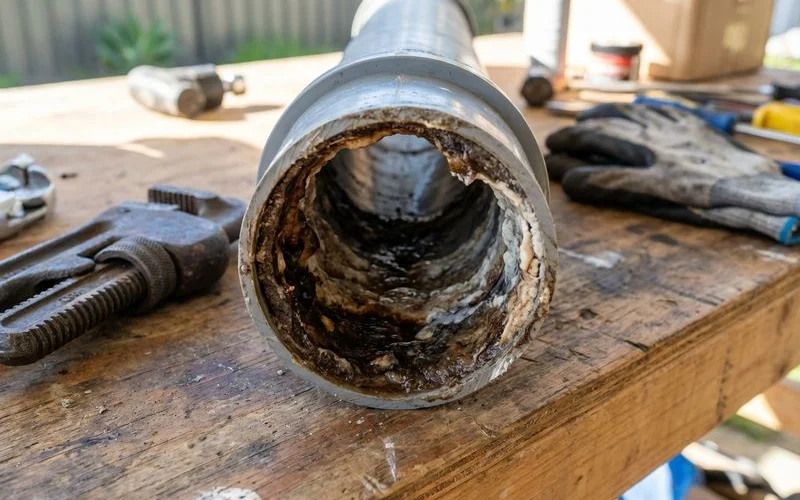
Cooking grease, fats, and oils are a major cause of kitchen drain blockages. When hot grease is poured down the sink, it is in liquid form and appears to wash away easily. However, as it travels through the pipe and cools, it solidifies and adheres to the pipe walls. Over time, layer upon layer of grease builds up, progressively narrowing the pipe diameter until water can barely pass through.
The problem is compounded by other food particles, soap residue, and detergent that stick to the greasy pipe lining. Eventually, the accumulated buildup forms a solid blockage that even boiling water cannot dissolve.
To prevent grease-related blockages, never pour cooking oil, fat, or grease down the sink. Instead, let it cool and solidify, then scrape it into the bin. Wipe greasy pans with a paper towel before washing them. Installing a sink strainer to catch food scraps is also helpful, as these particles contribute to the grease buildup problem.
Hair Accumulation
Hair is the primary cause of blocked bathroom drains, including showers, baths, and bathroom sinks. A single strand of hair seems harmless, but when dozens of strands enter the drain every time someone showers, they quickly tangle together and form a plug that traps soap scum and other debris.
The combination of hair and soap creates a particularly stubborn type of blockage that is difficult to dissolve with chemical drain cleaners. Over time, the mass becomes compacted and rock-hard, requiring physical removal with a drain snake or hydro jetter.
Prevention is straightforward. Install a hair catcher or drain screen over every shower and bath drain. These inexpensive devices trap hair on the surface where it can be easily removed and disposed of in the bin. Clean the hair catcher after every shower rather than letting it accumulate.
Foreign Objects and Inappropriate Flushing
Toilets and drains are designed to handle human waste, toilet paper, and water. Anything else flushed down the toilet or washed down a drain creates a blockage risk. The most common inappropriate items found in blocked drains include wet wipes, even those labelled as flushable, cotton buds, sanitary products, dental floss, nappies, and excessive amounts of toilet paper.
So-called flushable wipes are a particularly deceptive product. While they may flush down the toilet initially, they do not break down in the sewer system the way toilet paper does. They catch on pipe joints, tree roots, and other obstructions, forming large clumps that block the drain.
In Rockingham homes with young children, toys and other small objects accidentally dropped into the toilet are a surprisingly common cause of blockages. Teaching children what can and cannot go down the toilet, and keeping toilet lids closed when not in use, can help prevent these incidents.
Broken or Collapsed Pipes
Older homes in Rockingham, particularly those built before the 1980s, may have drainage pipes made from clay, earthenware, or early PVC that has become brittle with age. These older pipe materials are susceptible to cracking, sagging, and collapsing over time due to ground movement, heavy vehicle traffic above the pipe route, and natural deterioration.
A cracked pipe allows soil to enter the drainage system, creating partial blockages that progressively worsen. A collapsed section of pipe creates a complete blockage that no amount of drain cleaning can fix. The only solution for a collapsed pipe is excavation and replacement of the damaged section.
Ground movement from the sandy, shifting soils in parts of Rockingham can also cause pipe joints to separate, creating gaps where roots can enter and soil can intrude. If you experience recurring blockages in the same section of drain despite repeated clearing, a pipe inspection is recommended to check for structural damage.
Stormwater and Garden Debris
Rockingham’s proximity to the coast means properties can experience heavy rainfall events, particularly during winter. Stormwater drains that are blocked by leaves, mulch, garden debris, or sand will overflow and can back up into the property.
Keeping gutters and downpipe connections clear of leaf litter, trimming overhanging branches, and ensuring stormwater grate covers are free from debris are simple maintenance tasks that prevent stormwater blockages. After storms, check that water is draining freely from your property and clear any debris that has accumulated around drain grates.
Soap and Mineral Buildup
Traditional bar soap is made with fats and oils that combine with minerals in the water to form soap scum. This residue coats the inside of pipes and gradually narrows the diameter available for water flow. In combination with hair and other debris, soap scum creates stubborn blockages in bathroom drains.
Rockingham’s water supply, while treated, does contain minerals that contribute to this buildup over time. Switching to liquid soap or body wash can reduce soap scum formation, though it does not eliminate it entirely.
How to Tell If Your Drain Is Becoming Blocked
Early warning signs of a developing blockage include water draining slowly from sinks, showers, or baths, gurgling sounds from drains when water is running elsewhere in the house, unpleasant odours coming from drain openings, and water backing up in the lowest fixtures when other fixtures are used.
If you notice any of these signs, it is better to address the problem early before it develops into a complete blockage. A minor slow drain can often be cleared quickly and inexpensively, while a full blockage may require more extensive and costly intervention.
Preventing Blocked Drains
Most drain blockages are preventable with simple habits and regular maintenance. Use drain screens on all sinks and showers. Never pour grease down the drain. Only flush toilet paper and human waste. Keep garden debris away from stormwater drains. Be mindful of what goes down your drains, and schedule periodic professional drain inspections if your home is older or has a history of blockages.
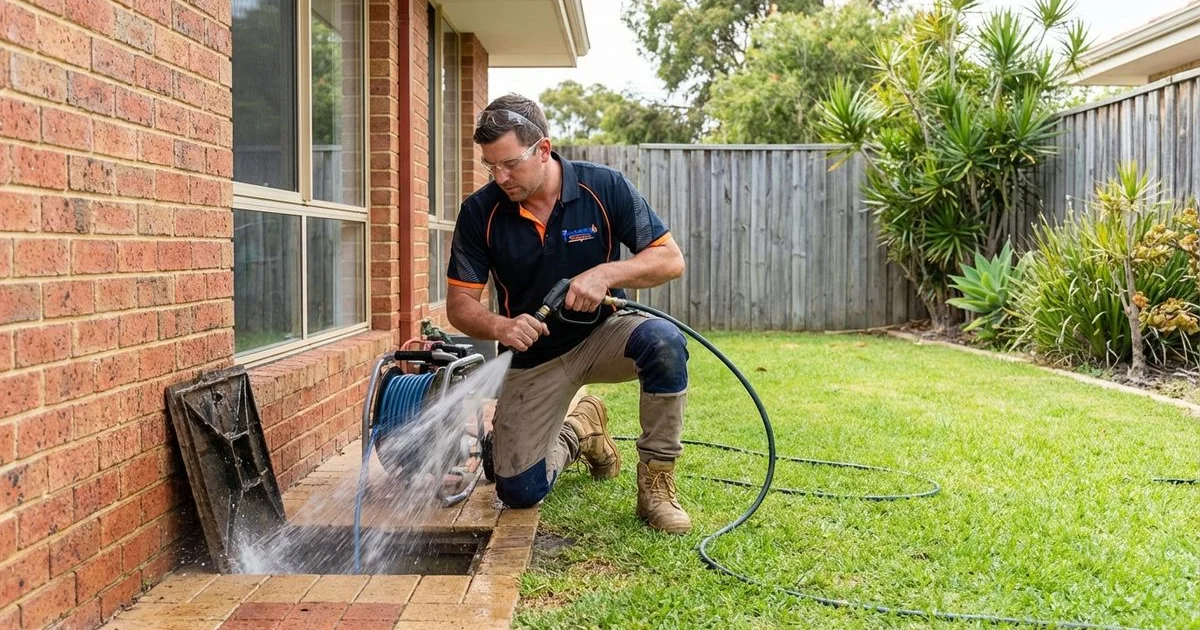
For professional blocked drain clearing in Rockingham, contact Plumber Rockingham. We use high-pressure water jetting and CCTV drain cameras to locate and clear blockages quickly, and we can advise on preventive measures to stop them from recurring. We service all suburbs across Rockingham, Baldivis, Port Kennedy, Secret Harbour, and surrounding areas.