Water is one of Western Australia’s most precious and limited resources. Perth and the surrounding metropolitan region, including Rockingham, have experienced a significant decline in rainfall and dam inflows over the past several decades. The Water Corporation has invested heavily in desalination and groundwater replenishment to secure the water supply, but residential water conservation remains critical to the long-term sustainability of our water resources.
Beyond the environmental imperative, saving water at home also saves money. Water Corporation charges for water usage on a tiered pricing structure where the more water you use, the higher the per-kilolitre rate becomes. Reducing your household water consumption not only lowers your bill in absolute terms but can also keep you in a lower pricing tier, compounding the savings.
Here are eight practical and effective tips that Rockingham homeowners can implement to reduce water usage, lower bills, and contribute to water sustainability in Western Australia.
1. Fix Leaks Promptly
This is the single most impactful step you can take. A dripping tap that loses one drop per second wastes approximately 12,000 litres of water per year. A running toilet can waste 60,000 to 90,000 litres per year depending on the severity of the leak. These are staggering volumes of water that are literally going down the drain.
Many homeowners tolerate minor leaks because the drip seems insignificant or because they do not want to deal with the hassle of calling a plumber. However, the cumulative waste from even small leaks is enormous and the cost of repair is modest compared to the water charges.
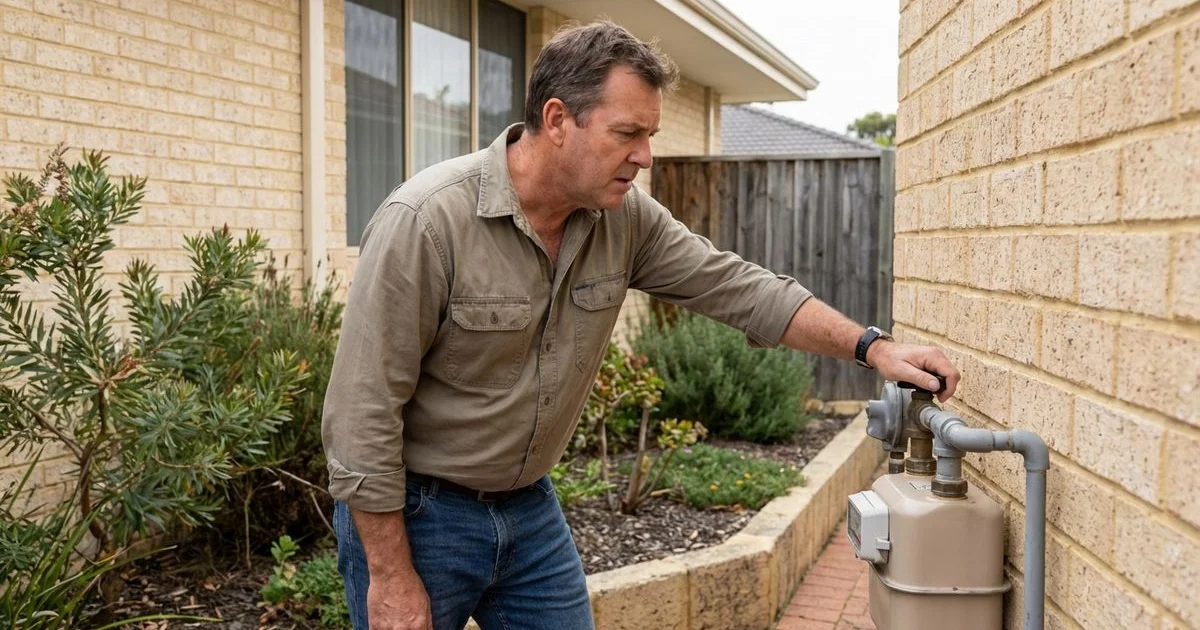
Perform a regular water meter check every month to detect hidden leaks that are not visible. Check under sinks, behind toilets, and at hot water system connections for any signs of moisture or dripping. Replace ageing flexi hoses before they fail. A proactive approach to leak management is the foundation of any water saving strategy.
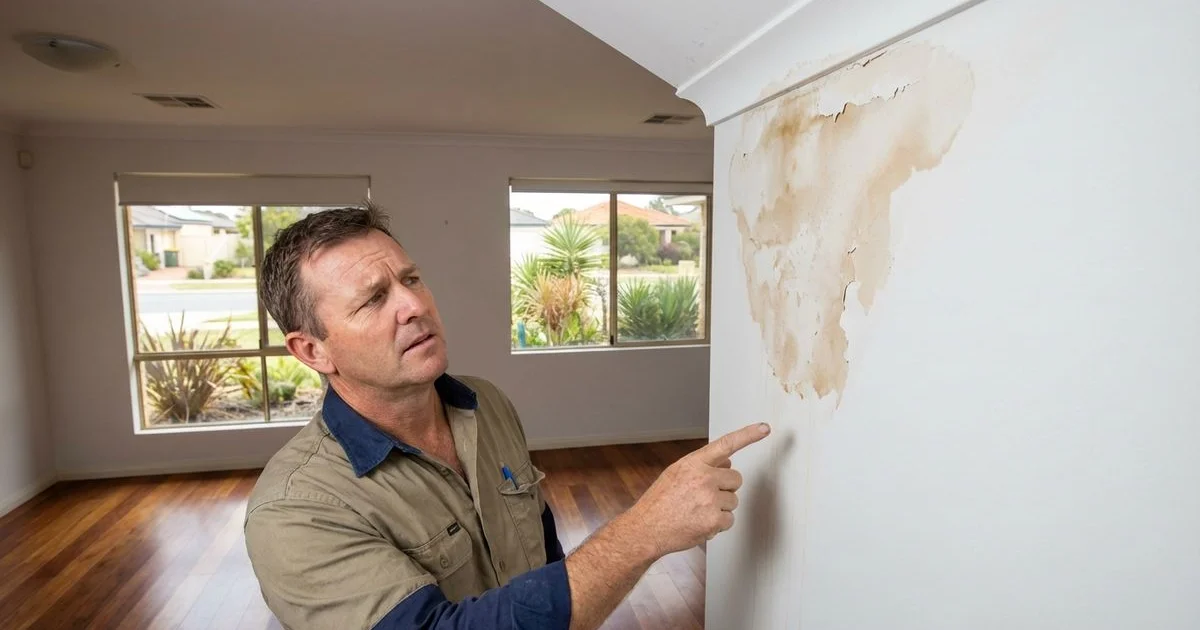
Learn the signs of hidden water leaks so you can catch concealed leaks before they waste thousands of litres and cause structural damage.
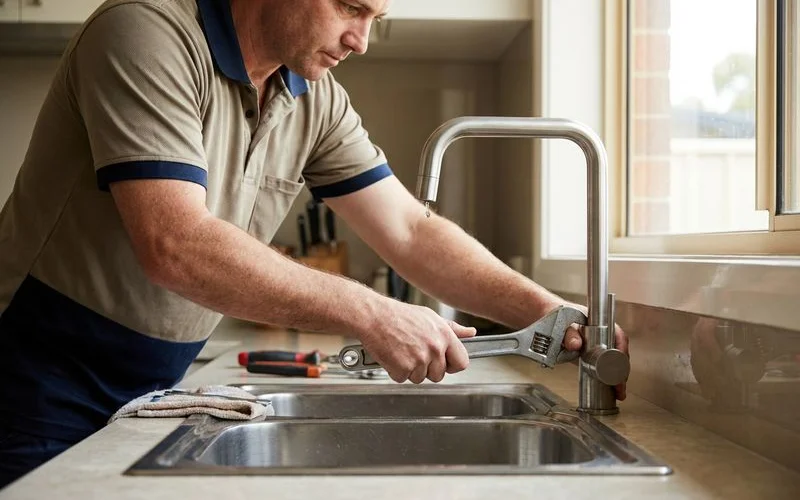
2. Install Water-Efficient Fixtures
Upgrading to water-efficient taps, showerheads, and toilet cisterns can dramatically reduce your household water usage without affecting your comfort or convenience.
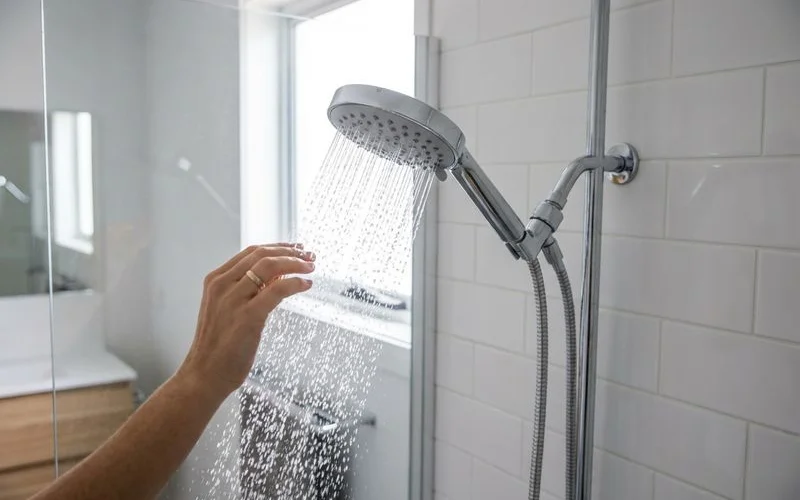
Low-flow showerheads are the single most effective fixture upgrade. A standard showerhead uses 15 to 20 litres per minute, while a modern water-efficient showerhead uses 6 to 9 litres per minute. For a household of four, each taking a seven-minute daily shower, switching to a low-flow showerhead can save over 100,000 litres per year.
Dual flush toilets use 3 litres for a half flush and 6 litres for a full flush, compared to older single flush toilets that use 11 to 13 litres per flush. If your home still has single flush toilets, upgrading to dual flush is one of the highest-return water saving investments available.
Aerator taps and flow restrictors can be fitted to existing taps to reduce flow rate without noticeably affecting water pressure at the point of use. These are inexpensive devices that can be installed by a plumber during a routine service visit.
Look for fixtures with a high WELS (Water Efficiency Labelling and Standards) star rating. The more stars, the more water-efficient the product. A 4-star showerhead, for example, uses significantly less water than a 1-star model while still providing a comfortable shower experience.
3. Optimise Your Irrigation System
Outdoor water use accounts for a significant proportion of residential water consumption in Rockingham, particularly during the hot, dry summer months. Optimising your garden irrigation system can yield substantial savings.
Water in the early morning or late evening. Watering during the heat of the day results in significant evaporation losses. The Water Corporation’s sprinkler roster for Rockingham specifies the days you are permitted to water using scheme water, and morning watering is recommended for maximum efficiency.
Check sprinklers for leaks, broken heads, and misalignment. A single broken sprinkler head can waste hundreds of litres per watering session. Walk your garden during a watering cycle to check that all sprinklers are operating correctly, delivering water to the garden and not to driveways, paths, or fences.
Consider a bore or install a rainwater tank. Many Rockingham properties can access groundwater via a bore, which provides a free alternative water source for garden irrigation. Rainwater tanks collect roof runoff for garden use and can significantly reduce your scheme water consumption for outdoor purposes.
Choose waterwise plants. Native and drought-adapted plants require significantly less water than exotic species. The Water Corporation’s Waterwise Plants program provides guidance on plant species that thrive in Rockingham’s climate with minimal supplementary watering.
4. Reduce Shower Time
Showers are typically the largest single source of indoor water consumption in an Australian household. Reducing your shower time by even two minutes per shower can save thousands of litres per year.
A standard showerhead flowing at 15 litres per minute means that a 10-minute shower uses 150 litres. Reducing that to 6 minutes saves 60 litres per shower. For a household of four, that is 240 litres per day or approximately 87,000 litres per year.
Use a shower timer to keep track of your time. Many water authorities distribute free shower timers, or you can use a waterproof timer or your phone. Turning off the water while you lather and then turning it back on to rinse is another effective technique that can halve your shower water usage.
Combining shorter showers with a water-efficient showerhead multiplies the savings. A 4-minute shower with a 7 litre-per-minute showerhead uses only 28 litres, compared to 200 litres for a 10-minute shower with a standard 20 litre-per-minute head.
5. Run Appliances on Full Loads Only
Washing machines and dishwashers use a set amount of water per cycle regardless of whether they are full or half-empty. Running these appliances only when you have a full load maximises the water efficiency of each cycle.
A typical washing machine uses 50 to 100 litres per cycle depending on the model and settings. Running two half loads instead of one full load wastes 50 to 100 litres of water per week. Over a year, this adds up to thousands of litres.
When replacing appliances, choose models with high WELS water efficiency ratings. Modern front-loading washing machines use significantly less water than older top-loading models. A 5-star rated front loader may use as little as 50 litres per cycle compared to 150 litres or more for an older top loader.
Similarly, a modern dishwasher uses 10 to 15 litres per cycle, which is less water than hand washing the same number of dishes in a full sink. Using a dishwasher is actually more water-efficient than hand washing, provided you run it on full loads.
6. Capture and Reuse Water
Simple changes to your daily routine can capture water that would otherwise go down the drain and redirect it to useful purposes such as watering the garden.
Collect shower warm-up water. Place a bucket in the shower to catch the cold water that runs while you wait for it to heat up. This water is perfectly clean and can be used to water pot plants, flush a toilet, or wash the car.
Reuse cooking water. Water used to boil vegetables, pasta, or eggs contains nutrients and can be cooled and used to water garden plants. Avoid using water that is heavily salted.
Redirect washing machine rinse water. If your laundry configuration allows, redirect the rinse water from your washing machine to the garden via a hose. Ensure you use garden-friendly laundry detergent if you plan to do this regularly. Check local regulations as some restrictions may apply.
Use a basin in the kitchen sink. When washing vegetables or rinsing dishes, use a basin to collect the water rather than letting it flow down the drain. This water can be used in the garden.
7. Maintain Your Hot Water System
A well-maintained hot water system heats water more efficiently, which means you spend less time waiting for hot water to reach your taps and showerhead. That waiting time represents cold water running down the drain.
If your hot water system takes a long time to deliver hot water to distant taps, particularly in a large home, consider having your plumber install pipe insulation on the hot water lines to reduce heat loss. In some cases, a recirculating pump or an additional point-of-use water heater near a distant bathroom can eliminate the wait for hot water entirely, saving both water and energy.
Regular hot water system maintenance also ensures the system operates at peak efficiency and identifies any leaks at valves or connections before they waste water.
8. Monitor Your Water Usage
You cannot manage what you do not measure. Monitoring your water usage regularly helps you identify trends, detect anomalies that may indicate leaks, and track the effectiveness of your water saving efforts.
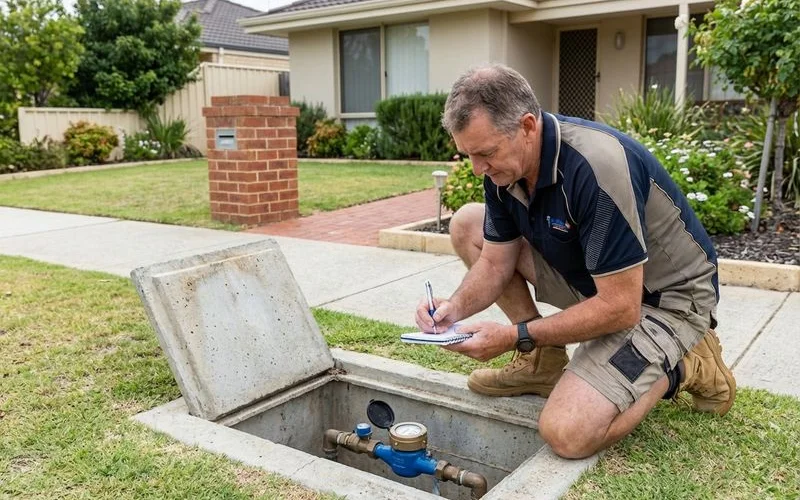
Read your water meter weekly and record the readings. Compare your usage to previous weeks and the same period in previous years. Water Corporation also provides online tools that allow you to track your usage and compare it to similar households in your area.
Set a household water usage target based on the Water Corporation’s recommended usage for your household size. For a household of four in the Perth metropolitan area, the target is approximately 150 kilolitres per year. Tracking your usage against this target gives you a measurable goal to work toward.
Every Litre Counts
Water conservation is not about making dramatic sacrifices. It is about making small, practical changes to your daily routine and maintaining your plumbing system in good condition. The cumulative effect of these changes can reduce your household water consumption by 30 to 50 percent, saving hundreds of dollars per year on water bills while contributing to the sustainability of Western Australia’s water supply.
Plumber Rockingham can help you save water by fixing leaks, installing water-efficient fixtures, and setting up water filtration systems that reduce waste from bottled water. We provide comprehensive plumbing services across Rockingham, Baldivis, Port Kennedy, Secret Harbour, Warnbro, and all surrounding suburbs. Contact us to arrange a plumbing efficiency assessment and start saving water and money today.