Most homeowners only think about their plumbing when something goes wrong. A blocked drain, a burst pipe, or a failed hot water system demands immediate attention and often comes with an emergency repair bill. However, regular plumbing inspections can identify developing problems before they become emergencies, extend the lifespan of your plumbing systems, prevent water damage to your home, and save you significant money over the long term.
The question of how often you should have your plumbing inspected does not have a single answer because it depends on the age of your home, the condition and type of your plumbing systems, and local factors specific to the Rockingham area. This guide provides a comprehensive inspection schedule based on best practice recommendations and our experience servicing homes across the Rockingham region.
The General Recommendation: Annual Inspections
As a general rule, every Rockingham home should have a professional plumbing inspection at least once per year. An annual inspection is frequent enough to catch most developing problems before they cause significant damage, while being infrequent enough to remain practical and cost-effective for most households.
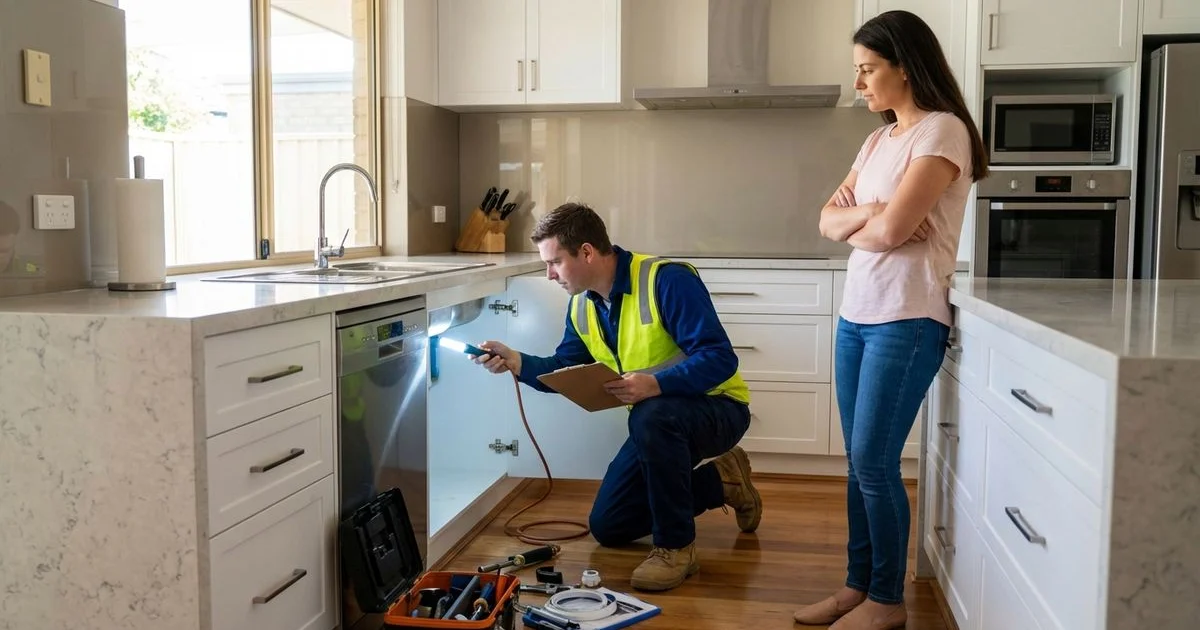
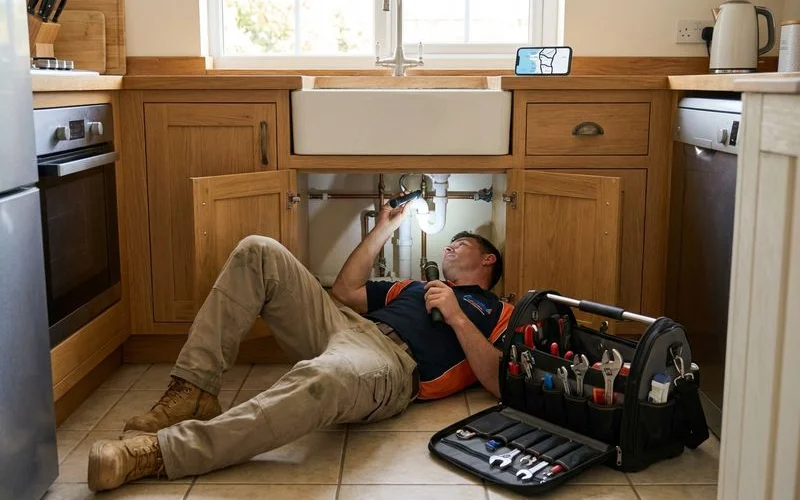
During an annual plumbing inspection, a licensed plumber will systematically check all accessible plumbing fixtures, pipes, connections, and appliances in your home. The inspection typically takes one to two hours depending on the size of your home and the number of plumbing fixtures.
An annual inspection is a minimum recommendation. Homes with older plumbing, known issues, or specific risk factors may benefit from more frequent inspections as outlined in the specific schedules below.
What a Professional Plumbing Inspection Covers
A thorough plumbing inspection is more than just checking for dripping taps. A professional inspection covers the following systems and components.
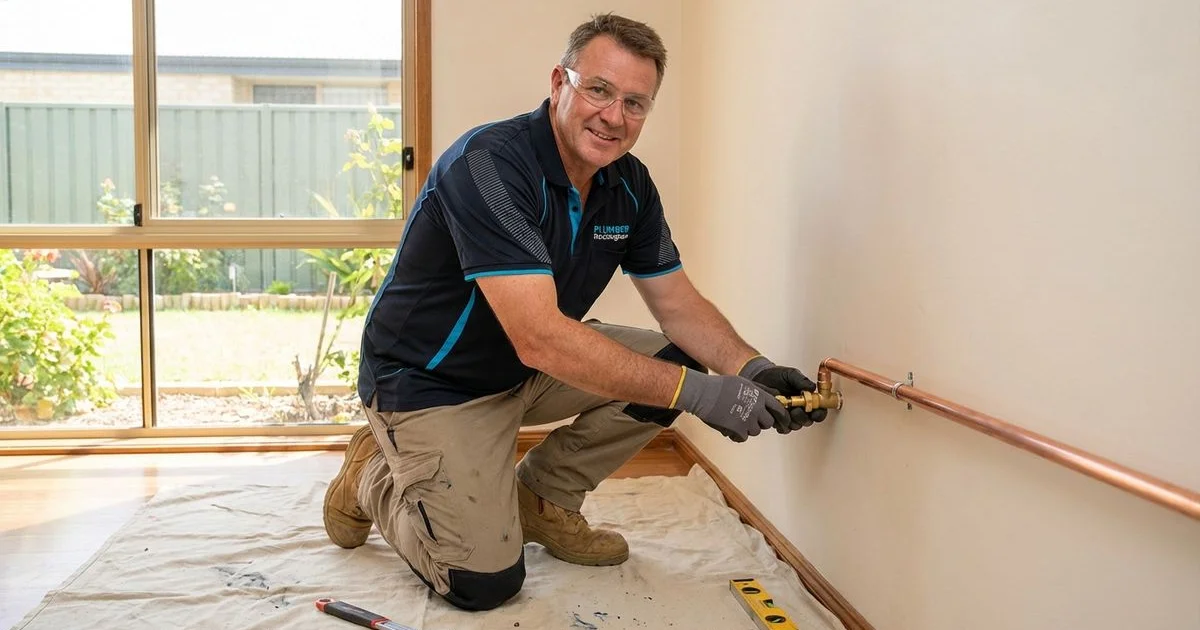
Water supply system. The plumber checks all visible water supply pipes for corrosion, damage, or signs of leaking. This includes checking pipe connections, valves, and flexi hoses under sinks, behind toilets, and at appliance connections. Water pressure is tested to ensure it is within the acceptable range and not placing excessive stress on pipes and fittings.
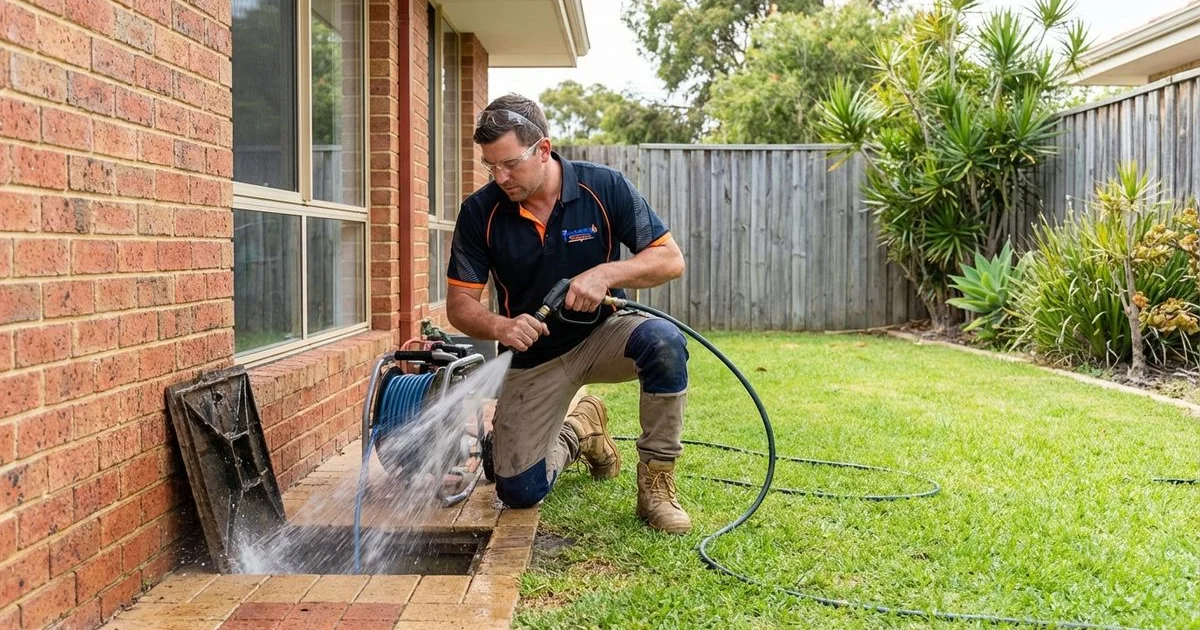
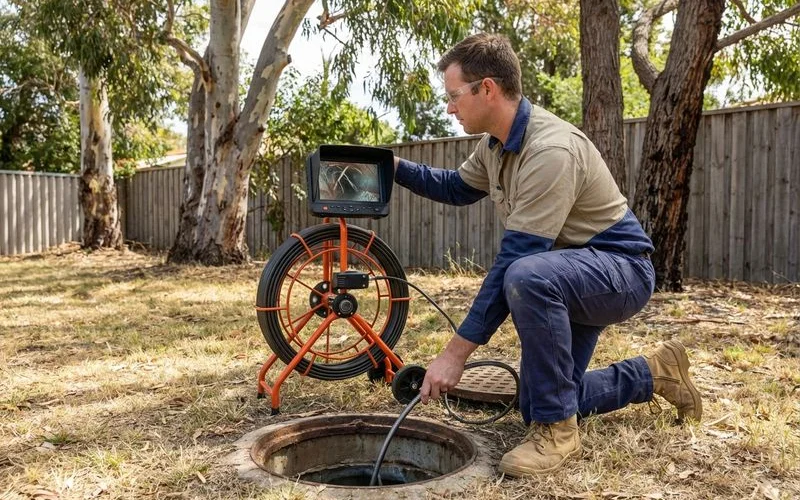
Drainage system. All drains are checked for slow drainage, blockages, and signs of damage. The plumber checks under sinks for leaking waste connections, inspects floor waste grates, and checks external drainage pits. For properties with recurring drain issues, a CCTV drain inspection may be recommended to examine the internal condition of underground drain pipes.
Taps and fixtures. All taps are tested for proper operation, leaks, and dripping. Mixer cartridges and tap spindles are checked for wear. Showerheads, bath spouts, and outdoor taps are all included.
Toilets. Each toilet is checked for running water, leaking cisterns, faulty flush mechanisms, and rocking at the base that may indicate a deteriorating seal. A running toilet can waste thousands of litres per month and is often not noticed by the homeowner.
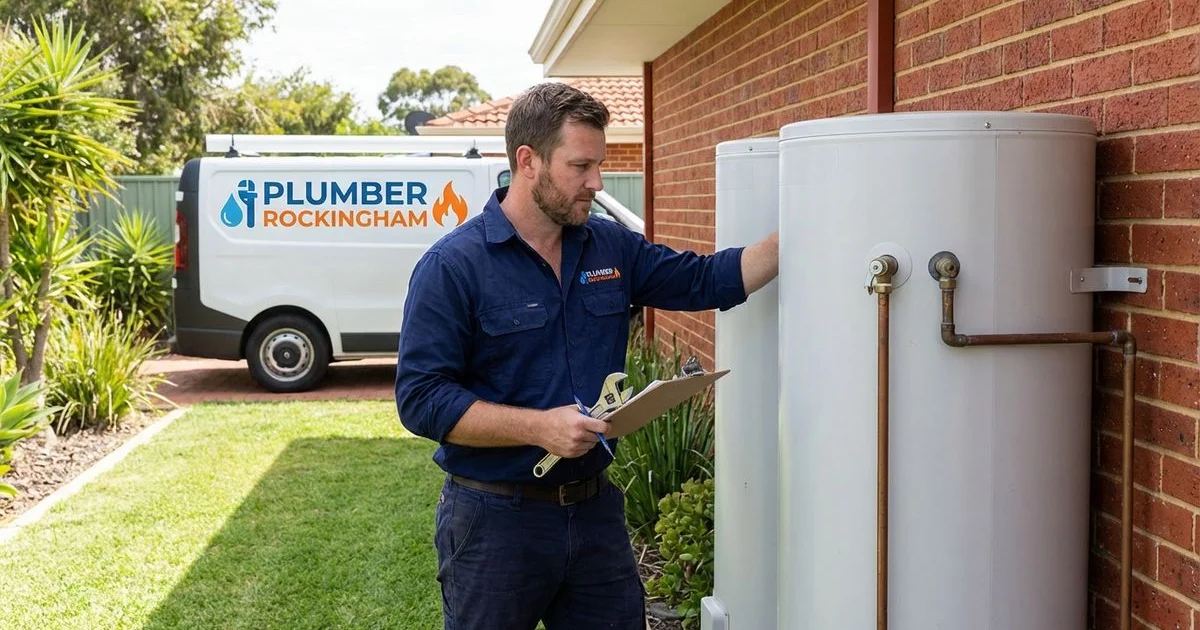
Hot water system. The hot water system is inspected for leaks, corrosion, proper temperature settings, and the condition of the temperature and pressure relief valve. The anode rod condition may be checked if the system is a storage tank type. Read our guide on hot water system maintenance for more details.
Gas fittings. If your home has gas appliances, the plumber checks gas connections, flexible gas hoses, and bayonet fittings for leaks and proper function. Gas leak testing may be performed using electronic detection equipment. This is especially important for rental properties.
External plumbing. Garden taps, irrigation connections, pool equipment connections, and any other external plumbing fixtures are inspected for leaks and proper operation.
Inspection Frequency by Home Age
The age of your home significantly affects how often plumbing should be inspected and which components are most likely to need attention.
Homes less than 10 years old. Newer homes in Rockingham built with modern materials such as PEX piping, copper, and quality fittings generally have fewer plumbing problems. An annual inspection is typically sufficient. Focus areas include checking that all connections remain tight after the initial settling period, verifying that flexible hoses have not been stressed by minor building movement, and testing water pressure.
Homes 10 to 25 years old. This is the age range where many plumbing components begin to reach their service life limits. Flexi hoses installed during construction may need replacement. Tap washers and mixer cartridges may be wearing out. Hot water system anodes may be depleted. The original toilet cistern components may be deteriorating. An annual inspection with attention to these ageing components is essential. Consider a more comprehensive inspection every two to three years that includes CCTV drain inspection and hot water system servicing.
Homes 25 to 40 years old. Homes in this age range, which includes many established suburbs across Rockingham, Warnbro, and Safety Bay, often have a mix of original and replaced plumbing components. Original copper pipes may be developing pinhole leaks from internal corrosion. Galvanised steel pipes, if still present, may be significantly corroded internally, reducing flow and contaminating the water supply. Original clay or PVC drain pipes may have cracked, shifted, or been infiltrated by tree roots. For homes in this age range, we recommend an annual inspection with a full drain CCTV survey every three to five years.
Homes over 40 years old. Older properties require the most attention. If the plumbing has not been substantially upgraded, many components will be at or beyond their expected lifespan. Galvanised steel water supply pipes should be replaced with copper or PEX if they have not been already. Clay sewer pipes are prone to root intrusion and joint failure. Original fittings and valves may be corroded and unreliable. We recommend biannual inspections for older homes, with a comprehensive assessment every two to three years that includes pipe condition testing and drain surveys.
Specific Component Maintenance Schedules
In addition to the general annual inspection, specific plumbing components have their own recommended maintenance intervals.
Flexi hoses should be visually inspected every 6 months and replaced every 5 to 10 years depending on the hose quality. Check for rust, bulging, or dampness at fittings.
Hot water system anode rods should be inspected every 3 to 5 years and replaced when significantly depleted. Anode condition directly affects tank lifespan.
Tempering valves on hot water systems should be tested annually to ensure they are maintaining the correct outlet temperature of 50 degrees at the tap.
Backflow prevention devices, if installed on your property, require annual testing by a licensed plumber to ensure they are functioning correctly. This is a regulatory requirement in many cases.
Gas appliances should be serviced every 2 years by a licensed gas fitter. This includes checking for gas leaks, testing combustion performance, and verifying ventilation adequacy.
Drains should be professionally cleaned if you notice recurring slow drainage. A CCTV drain inspection every 3 to 5 years can identify root intrusion, pipe damage, and other issues before they cause blockages or structural damage.
Signs You Need an Inspection Sooner
Regardless of your regular inspection schedule, certain warning signs warrant an immediate plumbing inspection rather than waiting for your next scheduled check.
Unexplained increase in water bills. If your water bill is noticeably higher than the same period in previous years without a change in usage, a hidden leak is likely. Read our guide on how to check your water meter for leaks.
Discoloured water. Brown, orange, or rusty water coming from your taps indicates internal pipe corrosion. This requires prompt investigation to determine the extent of the problem and whether pipe replacement is needed.
Low water pressure. A sudden drop in water pressure throughout the house may indicate a significant leak, a blocked supply pipe, or a failing pressure reducing valve. Low pressure at a single fixture may indicate a localised blockage or failing tap.
Slow drains in multiple fixtures. If drains are slow throughout the house rather than at a single fixture, the main sewer line may be blocked or partially obstructed. This requires professional investigation before a complete blockage occurs.
Damp patches, mould, or musty smells. These are classic signs of hidden water leaks that need prompt investigation. Water damage worsens rapidly the longer a leak goes unaddressed.
Unusual sounds. Banging pipes, hissing sounds in walls, or the sound of running water when no taps are open all warrant immediate inspection.
The Cost of Prevention vs. the Cost of Repair
A professional plumbing inspection in Rockingham typically costs between $150 and $300 depending on the size of the home and the scope of the inspection. Minor repairs identified during an inspection, such as replacing a tap washer or tightening a loose connection, can often be completed on the spot for a modest additional charge.
Compare this to the cost of emergency repairs. A burst pipe repair can cost $500 to $2,000 or more depending on the location and extent of damage. Water damage from an undetected leak can cost tens of thousands of dollars in building repairs, mould remediation, and replacement of damaged flooring, cabinetry, and personal items. A failed hot water system requires an emergency replacement costing $1,500 to $3,500 or more.
The mathematics of preventative maintenance are clear. Regular inspections and proactive maintenance cost a fraction of the emergency repairs they prevent.
Schedule Your Plumbing Inspection
Regular plumbing inspections are one of the smartest investments a homeowner can make. They prevent expensive emergencies, extend the life of your plumbing systems, save water, and give you peace of mind that your home’s plumbing is in good condition.
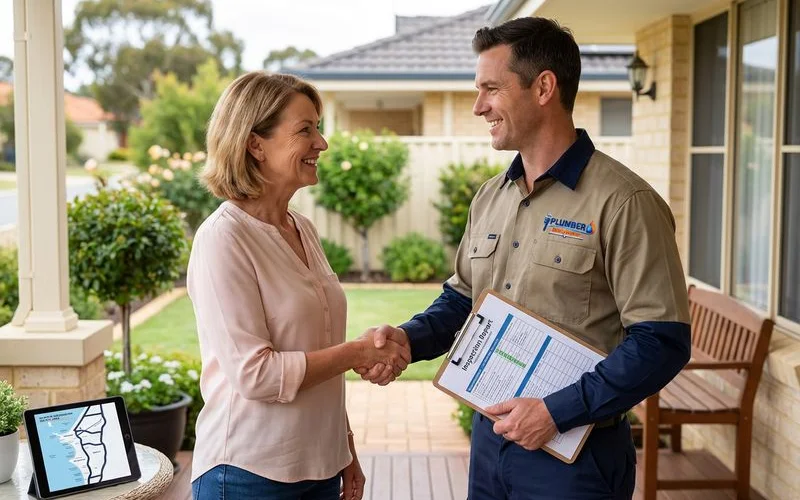
Plumber Rockingham provides comprehensive plumbing inspections and preventative maintenance services across Rockingham, Baldivis, Port Kennedy, Secret Harbour, Warnbro, and all surrounding suburbs. We also offer dedicated strata and property maintenance plumbing for body corporates and property managers. Our licensed plumbers will thoroughly assess your plumbing systems, identify any current or developing issues, and provide clear recommendations with upfront pricing for any repairs needed. Contact us to schedule your annual plumbing inspection and stay ahead of problems before they become emergencies.