A gas leak is one of the most dangerous situations that can occur in a residential property. Natural gas and LPG are both highly flammable, and in enclosed spaces, a gas leak can create an explosion risk or cause carbon monoxide poisoning. Every member of your household should know how to recognise the signs of a gas leak and the immediate steps to take if they suspect one.
This guide covers the six most common warning signs of a gas leak and the critical safety actions you must take to protect your family and property.
1. The Smell of Rotten Eggs or Sulphur
Natural gas is odourless in its natural state, which is why gas suppliers add a chemical called mercaptan that gives it a distinctive smell often described as rotten eggs, sulphur, or a strong unpleasant chemical odour. This odourant is added specifically so that gas leaks can be detected by smell before they reach dangerous concentrations.
If you notice this smell inside your home, in your garage, near your gas meter, or around any gas appliance, treat it as a potential gas leak until proven otherwise. The smell may be faint if the leak is small or may be overwhelming if the leak is significant.
Keep in mind that some people have a reduced sense of smell due to age, medical conditions, or being accustomed to mild odours over time. This is why relying on smell alone is not sufficient, and other warning signs should also be monitored.
LPG, which is commonly used in Rockingham homes that are not connected to mains natural gas, is also odourised with mercaptan. However, because LPG is heavier than air, it tends to pool at ground level and in low-lying areas such as under floors and in basements, which can make it harder to detect by smell until it reaches higher concentrations.
2. A Hissing or Whistling Sound
A hissing, whistling, or roaring sound near a gas line, gas meter, or gas appliance can indicate gas escaping under pressure from a damaged fitting, cracked pipe, or faulty valve. The sound may be constant or intermittent depending on the nature and severity of the leak.
Check near your gas meter, along visible gas pipe runs, and around the connections to your gas appliances, including your hot water system, gas stove, gas heater, and gas dryer. If you can hear a hissing sound but cannot see an obvious source, do not attempt to investigate further. Follow the safety steps outlined below and call a professional.
Even a small hiss can indicate a significant leak, particularly if the gas line is operating at high pressure. Never dismiss a suspicious sound near gas infrastructure.
3. Dead or Dying Vegetation in an Unusual Pattern
If you notice a patch of dead or discoloured grass, shrubs, or plants near your property’s gas supply line, it may indicate an underground gas leak. Natural gas displaces oxygen in the soil, which kills plant roots and causes vegetation above the leak to wilt, yellow, and die.
The pattern is often distinctive because it follows the path of the underground gas pipe, creating a line or concentrated area of dead vegetation that does not correspond to normal drought stress or soil conditions. In Rockingham’s sandy soils, gas can also disperse more widely underground, creating a broader area of affected vegetation.
If you notice unexplained plant death near where you believe your gas line runs, have the area checked by a licensed gas fitter.
4. Unexplained Increase in Your Gas Bill
A sudden and unexplained increase in your gas bill with no corresponding change in usage can indicate a gas leak somewhere in your property’s gas supply system. Even small leaks that are not immediately detectable by smell or sound will register as increased gas consumption on your meter.
Compare your current bill to the same period in previous years to account for seasonal variations. If the increase is significant and you have not added any new gas appliances or changed your usage habits, a gas leak is a possible cause.
You can check for leaks at your gas meter by turning off all gas appliances in the house and then watching the meter. If the meter continues to show gas flow when no appliances are operating, gas is escaping somewhere in the system between the meter and your appliances.
5. Physical Symptoms of Gas Exposure
Exposure to natural gas or LPG in enclosed spaces can cause a range of physical symptoms that should not be ignored. These include headaches, dizziness, nausea, fatigue, difficulty breathing, and eye and throat irritation.
If multiple members of your household are experiencing these symptoms simultaneously, particularly if the symptoms improve when you leave the house and return when you come back inside, gas exposure is a strong possibility. Carbon monoxide, a byproduct of incomplete gas combustion from a faulty appliance, can cause similar symptoms and is particularly dangerous because it is odourless and colourless.
Prolonged exposure to high concentrations of natural gas or carbon monoxide can cause loss of consciousness and, in severe cases, death. If anyone in your household is experiencing severe symptoms, evacuate the property immediately and call emergency services.

6. Visible Damage to Gas Connections or Appliances
Physical damage to gas appliances, connections, or pipes is an obvious but sometimes overlooked sign of a potential leak. Check for corrosion on exposed gas pipes, loose or damaged connections at appliances, cracks in flexible gas hoses, and damaged or dislodged gas bayonet fittings.
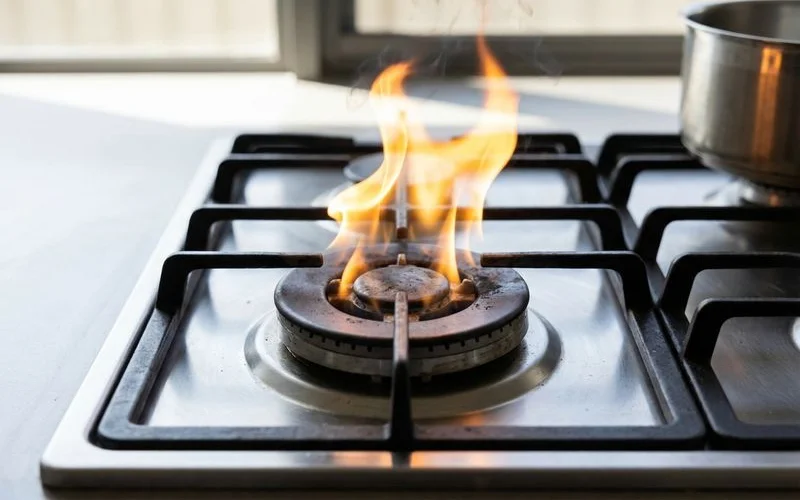
Gas appliances that are burning with a yellow or orange flame instead of a clean blue flame may have combustion problems that indicate improper gas supply or ventilation. A yellow flame on a gas stove or heater suggests incomplete combustion, which produces carbon monoxide and may indicate a gas supply issue.
Soot or black marks around gas appliances are another warning sign of incomplete combustion that warrants immediate professional inspection.
What to Do If You Suspect a Gas Leak
If you notice any of the warning signs described above, take the following steps immediately. These actions could save your life and the lives of your family members.
Do not operate any electrical switches. Do not turn lights on or off, do not plug in or unplug any appliances, and do not use any electrical devices inside the property. An electrical spark can ignite accumulated gas.
Do not use open flames. Do not light matches, cigarettes, candles, or any other open flame. Do not operate a gas stove or lighter.
Do not use your mobile phone inside the property. Mobile phones can generate small electrical sparks. Take your phone outside before making any calls.
Open doors and windows. If you can do so safely and quickly, open doors and windows to ventilate the area and help gas disperse. Do not spend extra time inside the property doing this if the smell is strong.
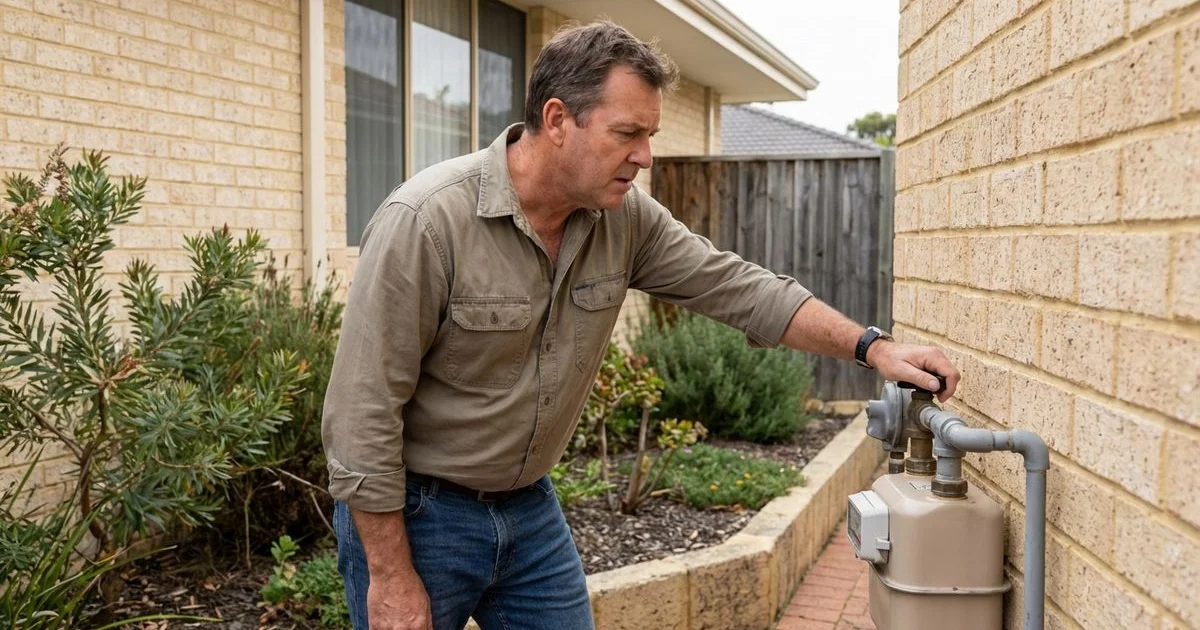
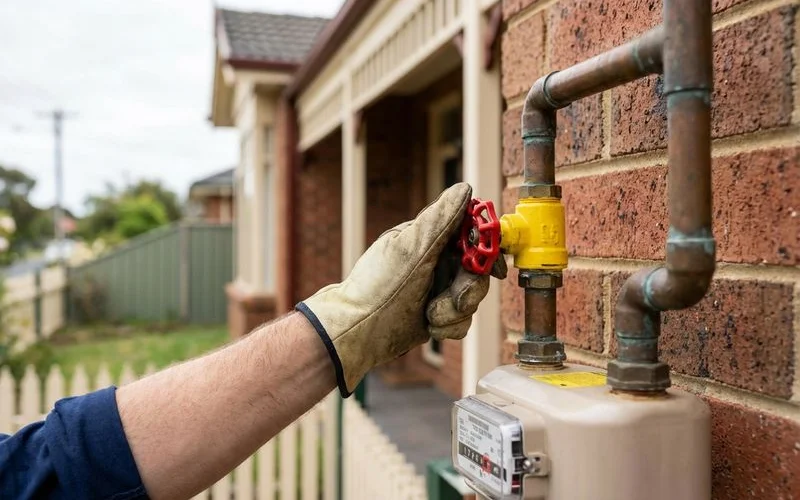
Turn off the gas supply at the meter. If you can safely reach your gas meter and know how to operate the shutoff valve, turn off the gas supply. The valve is typically a lever or tap on the meter inlet. Turn it perpendicular to the pipe to close it.
Evacuate the property. Get everyone, including pets, out of the house. Move to a safe distance, at least 50 metres from the property.
Call for help from a safe location. Once you are safely outside, call ATCO Gas on 13 13 52 for natural gas emergencies, or your LPG supplier for LPG leaks. If you believe there is an immediate danger to life, call 000 for emergency services.
Do not re-enter the property. Do not go back inside the property until a licensed gas fitter or emergency services has confirmed it is safe.
Preventing Gas Leaks
Prevention is always better than dealing with an emergency. The following measures reduce the risk of gas leaks in your Rockingham home.
Regular appliance servicing. Have all gas appliances, including your hot water system, gas stove, gas heater, and gas dryer, serviced by a licensed gas fitter every two years. Regular servicing identifies worn components and deteriorating connections before they fail.
Check gas hoses and connections. Flexible gas hoses that connect appliances to bayonet points have a limited lifespan, typically five to ten years. Check them regularly for cracks, kinks, or discolouration and replace them before they fail.
Install carbon monoxide detectors. While not yet mandatory in WA residential properties, carbon monoxide detectors provide an additional layer of safety by alerting you to the presence of this odourless, colourless gas. Install detectors near sleeping areas and close to gas appliances.
Know your gas system. Know where your gas meter is, how to operate the shutoff valve, and the general route of your gas supply lines. This knowledge is invaluable in an emergency.
Gas Safety Is Not Optional
Gas leaks are serious and potentially life-threatening. If you have any concerns about the safety of your gas appliances or gas fittings, do not delay in getting a professional inspection.
Plumber Rockingham provides licensed gas fitting services including gas leak detection, appliance servicing, and gas bayonet installation across Rockingham, Baldivis, Port Kennedy, Secret Harbour, Warnbro, and all surrounding suburbs. If you suspect a gas leak, follow the emergency steps above first, then contact us to arrange a thorough inspection and repair once the area has been declared safe.