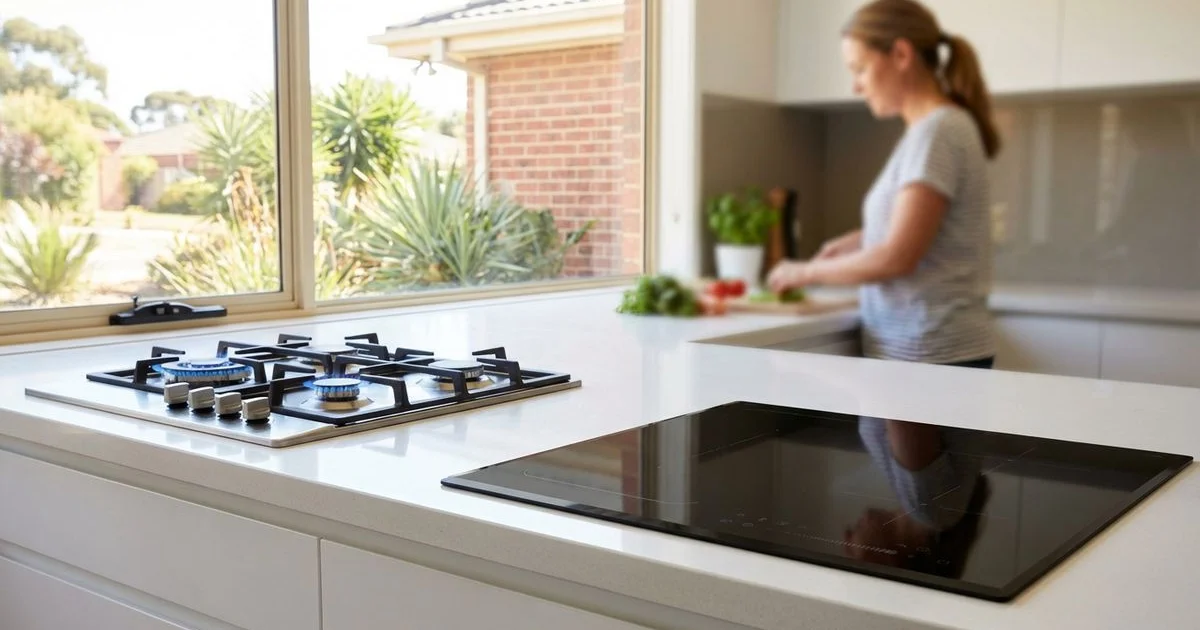
Choosing between a gas and electric cooktop is one of the most common decisions Rockingham homeowners face during a kitchen renovation or appliance upgrade. Both options have distinct advantages and trade-offs, and the best choice depends on your cooking style, budget, existing infrastructure, and personal preferences. This comprehensive comparison covers everything you need to consider before making your decision.
Whether you are building a new home, renovating your kitchen, or simply replacing an ageing cooktop, understanding the differences between gas and electric will help you choose the option that best suits your household.
How Gas Cooktops Work
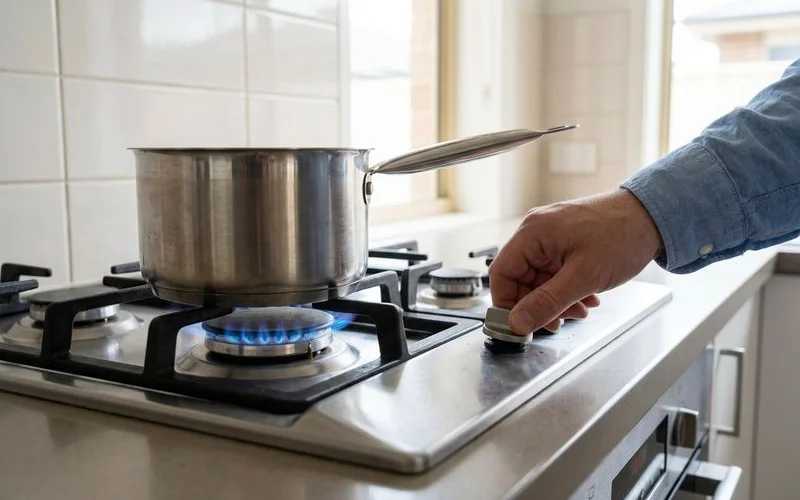
Gas cooktops use natural gas or LPG delivered through a gas supply line to your kitchen. When you turn the burner knob, gas flows to the burner head where it is ignited by a spark igniter or pilot light. The flame heats the cookware directly, and the flame size is controlled by adjusting the gas flow with the burner knob.
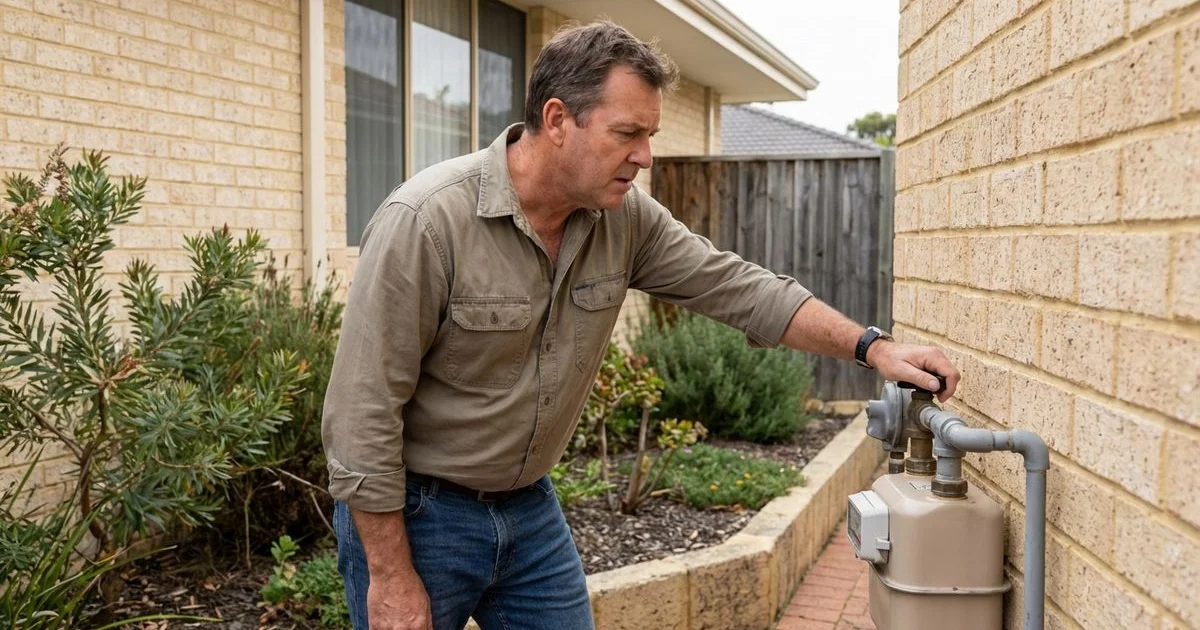
Gas cooktops require a gas supply connection, which means your home needs either a natural gas connection from the mains supply or an LPG bottle installation. If your home does not currently have a gas supply to the kitchen, a licensed gas fitter will need to install gas pipework and a gas bayonet fitting before the cooktop can be connected.
Most gas cooktops in Australian homes have four to six burners of varying sizes, including at least one high-output wok burner. The cooktop surface is typically stainless steel or tempered glass with cast iron trivets to support cookware over the burners.
How Electric Cooktops Work
Electric cooktops come in several types, each with different technology and performance characteristics. The three main types are ceramic radiant, solid plate, and induction.
Ceramic radiant cooktops use electrical heating elements beneath a smooth glass-ceramic surface. The elements heat up and transfer heat through the glass to the cookware. They are relatively affordable and easy to clean but are slower to respond to temperature changes than gas or induction.
Solid plate cooktops use exposed cast iron heating elements. They are the least expensive option but are slow to heat, slow to cool, and difficult to clean. These are now uncommon in new installations.
Induction cooktops use electromagnetic fields to heat the cookware directly rather than heating a surface or element. The cooktop surface itself stays relatively cool, and heat is generated inside the pot or pan. Induction cooktops require ferromagnetic cookware, which means not all pots and pans are compatible. You can test compatibility by checking whether a magnet sticks to the base of your cookware.
Cooking Performance Comparison
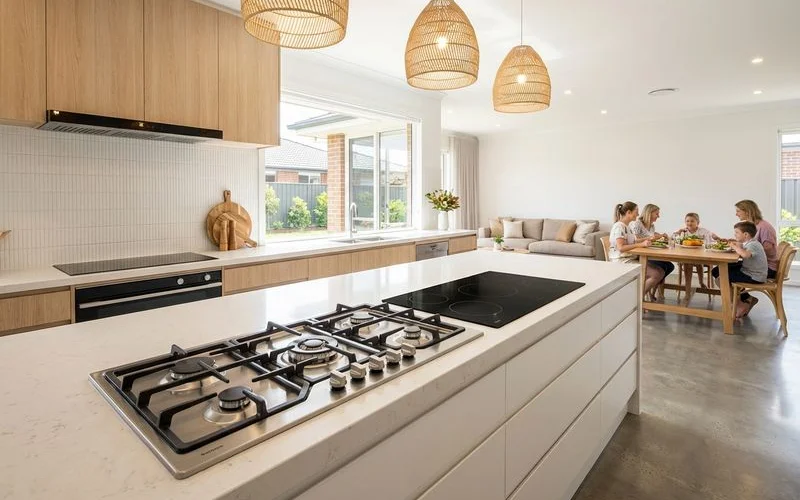
The cooking performance of gas and electric cooktops differs significantly, and this is often the deciding factor for serious home cooks.
Heat control. Gas cooktops provide instant and infinitely variable heat control. When you turn the burner knob, the flame responds immediately, and you can see exactly how much heat is being applied. This makes gas ideal for techniques that require rapid temperature changes, such as stir-frying, searing, and flambeing. Ceramic electric cooktops are slower to respond because the element must heat up and cool down before the temperature at the cookware surface changes. Induction cooktops rival gas in responsiveness because the electromagnetic field can be adjusted instantly.
High heat output. Gas wok burners can produce up to 20 megajoules per hour, which is significantly more heat output than most residential electric cooktops. For high-heat cooking techniques including wok cooking, searing steaks, and rapid boiling, gas burners generally outperform electric. However, top-end induction cooktops with boost modes can approach or match gas heat output for short periods.
Low heat control. Maintaining a very low and consistent simmer can be easier on induction cooktops because the heat output can be precisely controlled electronically. Gas burners may struggle to maintain a very low flame without extinguishing, although modern gas cooktops with flame failure devices handle this better than older models.
Heat distribution. Induction and ceramic electric cooktops provide even heat distribution across the base of the cookware because the entire base is in contact with the heat source. Gas flames can create hot spots and uneven heating, particularly with lightweight or thin-based cookware. Using heavy-based cookware on gas burners largely eliminates this issue.
Running Costs in Western Australia
Running costs are an important consideration, and the comparison depends on current energy prices in WA and your usage patterns.
Gas costs. Natural gas in Western Australia is supplied by ATCO Gas and is generally competitively priced compared to electricity. LPG, which is used in areas without mains gas connections, is more expensive per unit of energy than both natural gas and electricity. The cost of running a gas cooktop on natural gas is typically lower than running a ceramic electric cooktop for the same amount of cooking.
Electricity costs. Electricity prices in WA are set by Synergy for most residential customers. The current tariff structures mean that electric cooktops are more expensive to run than natural gas cooktops for equivalent cooking tasks. However, induction cooktops are significantly more energy-efficient than both gas and ceramic electric because they transfer a much higher percentage of their energy directly to the cookware. An induction cooktop wastes less energy heating the air around the pot, which partially offsets the higher cost of electricity per unit.
Overall comparison. For most Rockingham households connected to natural gas, a gas cooktop will be cheaper to run than a ceramic electric cooktop and comparable in cost to an induction cooktop when energy efficiency is factored in. For homes using LPG bottles, induction is typically the most cost-effective option.
Installation Considerations
Installation requirements and costs differ between gas and electric cooktops and can influence the total cost of ownership.
Gas cooktop installation requires a gas supply line to the kitchen with a bayonet fitting or hard-piped connection. If your home already has a gas supply in the kitchen, swapping to a new gas cooktop is straightforward and inexpensive. If you need a new gas supply line installed from the meter to the kitchen, the cost will depend on the distance and complexity of the pipework. All gas installation work must be performed by a licensed gas fitter. Our gas fitting services cover all aspects of gas cooktop installation in Rockingham.
Electric cooktop installation requires a dedicated electrical circuit. Standard ceramic and induction cooktops require a 32-amp circuit, while some high-powered induction models may require a 40-amp circuit. If your kitchen already has an appropriate electrical circuit from a previous electric cooktop, installation is simple. If you are switching from gas to electric, a licensed electrician will need to install a new circuit from your switchboard to the kitchen.
Switchover costs. If you are switching from gas to electric or vice versa, factor in the cost of installing the new supply infrastructure. Switching from electric to gas requires gas pipe installation and potentially a new gas meter connection. Switching from gas to electric requires a new electrical circuit and potentially a switchboard upgrade if your current board does not have capacity for an additional high-amperage circuit.
Safety Considerations
Both gas and electric cooktops have specific safety considerations that homeowners should understand.
Gas safety. Gas cooktops produce an open flame, which creates a fire risk if flammable materials are placed too close to the burners. Modern gas cooktops include flame failure devices that automatically shut off the gas supply if the flame is extinguished, preventing gas from accumulating in the kitchen. Gas combustion produces small amounts of carbon dioxide, carbon monoxide, and nitrogen dioxide, which means adequate kitchen ventilation is important. A range hood that vents to the outside is recommended for all gas cooktops. Be aware of the signs of a gas leak and know how to respond.
Electric safety. Ceramic electric cooktops have a hot surface that remains hot for some time after the burner is turned off, creating a burn risk. Induction cooktops are the safest option because the cooktop surface itself does not generate significant heat. The surface only gets warm from contact with the hot cookware, and it cools quickly once the pot is removed. Many induction cooktops include additional safety features such as automatic shutoff, child locks, and pan detection that prevents the cooktop from operating without cookware on the burner.
Maintenance and Longevity
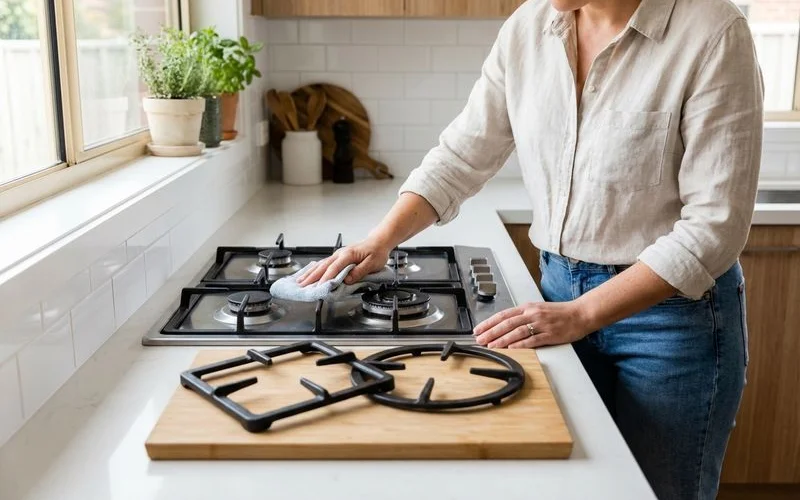
Gas cooktops are generally durable and long-lasting. The main maintenance requirements are keeping burner heads and igniters clean, replacing flexible gas hoses every five years, and having the gas connections checked periodically by a licensed gas fitter. With proper maintenance, a gas cooktop can last 15 to 20 years.
Ceramic electric cooktops have a smooth glass surface that is easy to clean but can scratch or crack if heavy cookware is dropped on it. Heating elements may need replacement after 10 to 15 years. The glass surface can also develop discolouration over time from heat exposure.
Induction cooktops have similar cleaning ease to ceramic cooktops with the advantage of less baked-on spillage because the surface stays cooler. The electronic control boards are the most likely component to fail, and replacement can be expensive. Average lifespan is 10 to 15 years.
Which Should You Choose
For Rockingham homeowners who already have a natural gas supply to their kitchen, a gas cooktop remains an excellent choice. It offers instant heat control, high heat output for wok cooking, lower running costs than ceramic electric, and a long lifespan with minimal maintenance. Gas is particularly well suited for enthusiastic home cooks who value responsive heat control and high-heat techniques.
For homes without an existing gas supply, or for homeowners who prioritise safety, energy efficiency, and easy cleaning, an induction electric cooktop is the strongest alternative. The upfront cost is higher, and you may need to replace some cookware, but the cooking performance is excellent and the running costs are competitive.
If you are considering installing or upgrading a gas cooktop in your Rockingham home, Plumber Rockingham can handle the complete gas fitting installation including gas supply lines, bayonet fittings, and cooktop connection. Contact us for a free quote on gas cooktop installation anywhere in Rockingham and surrounding suburbs.