Gas bayonet points are a convenient and safe way to connect portable gas appliances in your home, particularly gas heaters. If you are considering adding gas heating to a room, connecting a gas BBQ on your patio, or simply want the flexibility to use portable gas appliances in different areas of your home, understanding gas bayonet installation is essential. This guide covers everything Rockingham homeowners need to know about gas bayonets, from what they are and how they work to the legal requirements and costs involved.
What Is a Gas Bayonet?
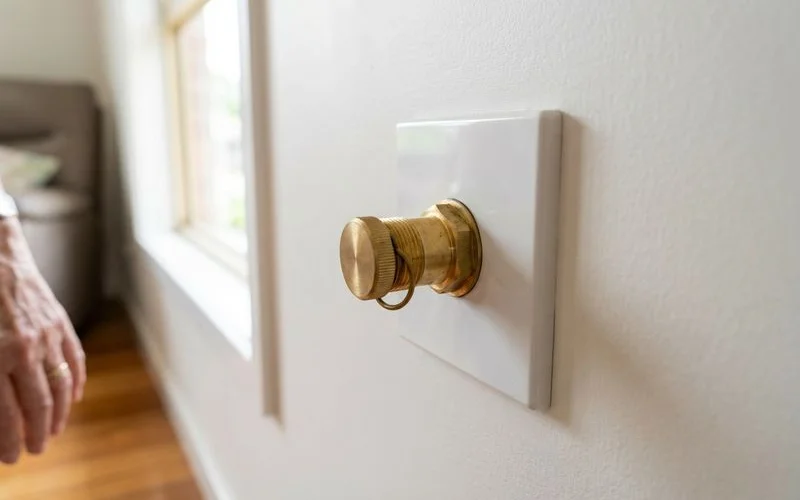
A gas bayonet, also known as a gas bayonet point or gas bayonet fitting, is a quick-connect outlet that allows you to safely attach and detach portable gas appliances without using tools. It works on a simple push-and-twist mechanism similar to a light bulb fitting. When a compatible appliance hose is pushed onto the bayonet and turned, it locks into place and allows gas to flow. When the appliance is disconnected, a spring-loaded valve automatically shuts off the gas supply.
Gas bayonets are the standard connection method for portable gas heaters, some gas BBQs, and other removable gas appliances in Australian homes. They are typically installed at floor level or low on the wall in the room where the appliance will be used.
The bayonet fitting itself is a small metal socket that protrudes slightly from the wall or floor plate. It connects to the property’s gas supply line via copper or PE pipe installed behind the wall or under the floor. The installation includes a dedicated isolation valve that allows the gas supply to that specific bayonet to be turned on or off independently.
Why Install a Gas Bayonet?
There are several practical reasons to install a gas bayonet in your Rockingham home.
Convenient gas heating. Portable gas heaters are one of the most cost-effective ways to heat individual rooms in Rockingham during winter. While Rockingham’s winters are mild compared to southern states, temperatures can drop to single digits on winter evenings, and a gas heater provides instant, efficient warmth. A gas bayonet allows you to connect a heater in the room you use most and move it to another bayonet point in a different room if needed.
Lower running costs than electric heating. Gas heating is significantly cheaper to run than electric reverse-cycle air conditioning or plug-in electric heaters, particularly in homes connected to mains natural gas. For a typical living room, a gas heater costs roughly half as much per hour to operate as an equivalent electric heater.
Outdoor entertaining. A gas bayonet installed on a patio or alfresco area allows you to connect a gas BBQ without the hassle of separate gas bottles. The BBQ connects directly to your mains gas supply, giving you an unlimited fuel source and eliminating the inconvenience of running out of gas mid-cook.
Flexibility. Unlike a fixed gas appliance that is permanently plumbed in, a bayonet-connected appliance can be removed during warmer months to free up floor space, moved to a different room, or easily replaced with a different appliance.
Increased property value. Gas bayonet points in living areas are a desirable feature for buyers and tenants, particularly in areas like Rockingham where gas heating is popular. Having bayonets already installed adds convenience value to the property.
Legal Requirements in Western Australia
Gas bayonet installation in WA is subject to strict regulations that homeowners must be aware of.
Licensed gas fitter required. All gas fitting work in Western Australia, including the installation of gas bayonet points, must be performed by a licensed gas fitter. It is illegal for homeowners, handymen, or unlicensed tradespeople to install, modify, or repair gas fittings. This law exists because improper gas work can result in gas leaks, fires, explosions, and carbon monoxide poisoning.
Compliance certificate. After completing the installation, the licensed gas fitter must submit a Gas Installation Compliance Notice (commonly called a gas compliance certificate) to the relevant authority. This certificate confirms that the work was performed in accordance with AS/NZS 5601 (the Gas Installations Standard) and is safe for use.
Ventilation requirements. Rooms where gas bayonets are installed for use with unflued gas heaters must meet specific ventilation requirements. Unflued gas heaters consume oxygen and produce moisture and combustion byproducts, so the room must have adequate permanent ventilation openings or openable windows to ensure safe operation.
The ventilation requirement is based on the gas consumption rate of the appliance. Your gas fitter will assess the room and advise whether the existing ventilation is adequate or whether additional ventilation is needed before the bayonet can be installed.
Maximum appliance ratings. There are limits on the maximum gas consumption rating of unflued gas appliances that can be used in rooms of various sizes. A standard bedroom, for example, may be limited to a lower-rated heater than a large open-plan living area. Your gas fitter will advise on the appropriate heater size for each room.
The Installation Process
Here is what to expect when having a gas bayonet installed in your Rockingham home.
Site assessment. The gas fitter will visit your property to assess the proposed location for the bayonet, check the existing gas supply capacity, verify that the room meets ventilation requirements, and plan the pipe route from the nearest gas supply point to the new bayonet location.
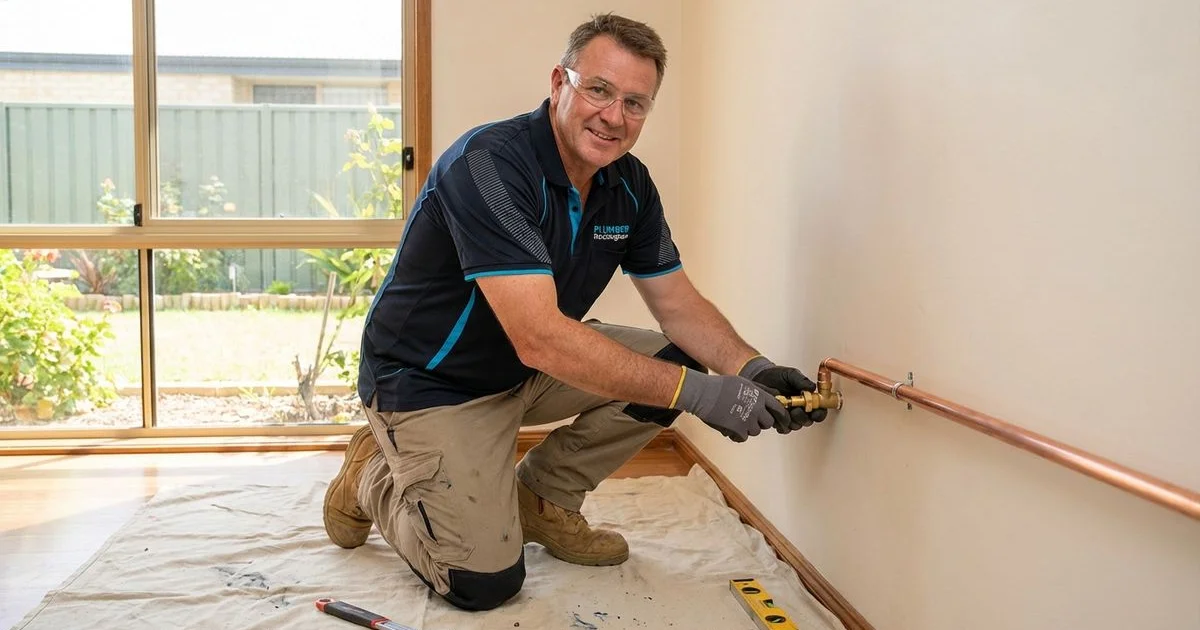
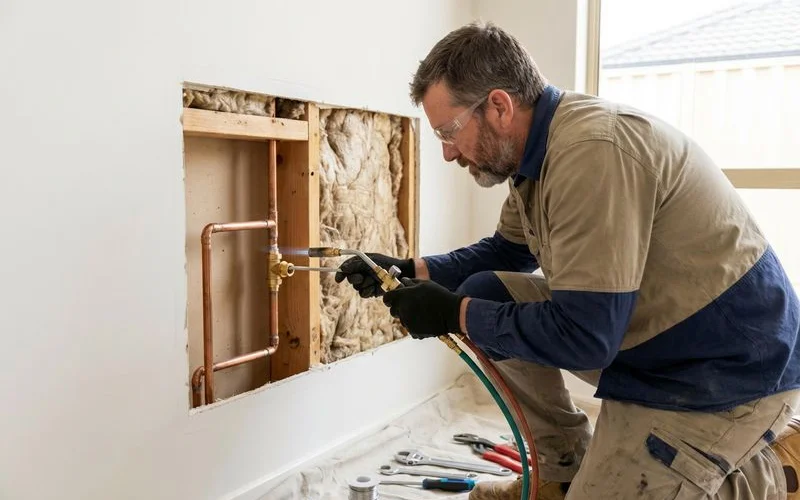
Pipe installation. The gas fitter will run a new gas pipe from the existing gas supply, usually branching off from the main gas line near the meter, to the location where the bayonet will be installed. The pipe is typically copper or PE (polyethylene) and runs through wall cavities, under floors, or through the roof space depending on the property construction.
Bayonet fitting. The bayonet fitting is installed at the desired location, usually at floor level near the wall where the heater will sit. A wall plate gives the installation a neat, finished appearance. An isolation valve is installed on the gas line to allow the supply to the bayonet to be turned on or off independently.
Pressure testing. Once the installation is complete, the gas fitter performs a pressure test on the new pipe run to confirm there are no leaks. This involves pressurising the pipe and monitoring the pressure gauge for a set period to ensure it holds steady.
Compliance documentation. The gas fitter completes and lodges the Gas Installation Compliance Notice, and you receive a copy for your records.
Commissioning. The gas fitter will test the bayonet with your appliance to confirm it connects correctly, the gas flows properly, and the appliance operates safely.
How Much Does Gas Bayonet Installation Cost?
The cost of installing a gas bayonet in Rockingham depends primarily on the complexity of the pipe run from the existing gas supply to the new bayonet location.
Simple installation. If the new bayonet is close to an existing gas supply point and the pipe route is straightforward, such as through an accessible wall cavity or under an elevated floor, expect to pay between $250 and $450 for supply and installation of a single bayonet point.
Standard installation. A typical installation where the pipe needs to run several metres through wall cavities, under a concrete slab, or through the roof space costs between $400 and $700.
Complex installation. If the pipe run is long, involves multiple bends, requires penetrating concrete, or the gas supply needs to be upgraded to handle the additional load, costs can range from $700 to $1,200 or more.
Multiple bayonets. If you are installing bayonet points in several rooms at the same time, the per-bayonet cost is usually lower because much of the supply pipe can be shared. Installing three bayonets simultaneously might cost $800 to $1,500 total rather than three times the single-bayonet price.
These prices include the bayonet fitting, pipe, fittings, labour, pressure testing, and compliance documentation. They do not include the gas heater or other appliance, which is purchased separately.
Choosing the Right Gas Heater
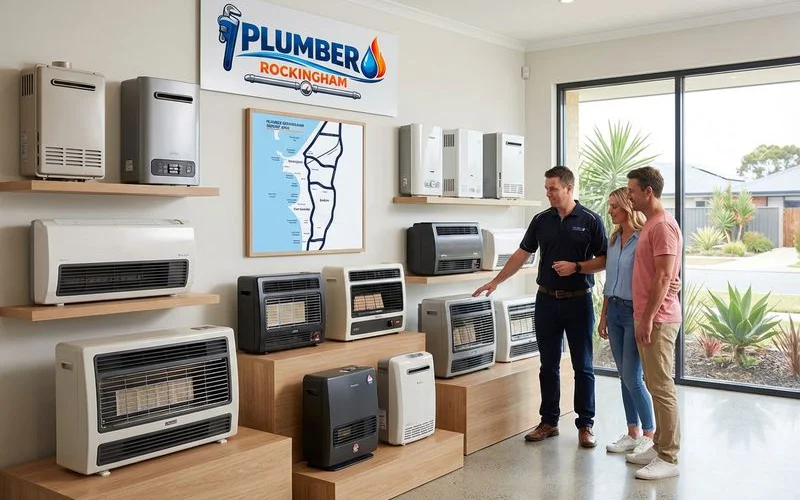
Once your gas bayonet is installed, you will need to choose a compatible gas heater. The main considerations are the type of gas your property uses, whether natural gas or LPG, as heaters are designed for one or the other and are not interchangeable. The heater must match your gas type exactly.
Consider the size of the room when selecting a heater. A heater that is too small will not adequately warm the room, while one that is too large will overheat the space and may exceed the room’s maximum allowed appliance rating. Your gas fitter can recommend the appropriate heater capacity for each room.
Flued gas heaters, which vent combustion byproducts outside through a flue pipe, are generally preferred over unflued models because they do not affect indoor air quality. However, they require a permanent installation and cannot be moved between rooms. Unflued heaters are more portable and flexible but require adequate room ventilation.
Maintaining Your Gas Bayonet
Gas bayonets require minimal maintenance but should be checked periodically to ensure they remain safe and functional.
Keep the bayonet fitting clean and free from dust and debris when not in use. Most bayonets come with a dust cap that covers the opening when no appliance is connected. Always replace the dust cap when the appliance is removed.
Check the hose that connects your gas appliance to the bayonet for cracks, kinks, or signs of wear. Gas hoses have a limited lifespan and should be replaced every five to ten years or sooner if any damage is visible. Replacement hoses are available from hardware stores, but ensure you purchase the correct type for your gas supply and appliance.
If you notice a gas smell around the bayonet fitting, even when no appliance is connected, the bayonet’s internal valve may be leaking and needs to be inspected by a licensed gas fitter. Do not attempt to disassemble or repair the bayonet yourself.
Get a Gas Bayonet Installed
Adding gas bayonet points to your Rockingham home is a practical investment in comfort and convenience. Whether you want to heat your living room, power an outdoor BBQ, or add flexible gas connections throughout your home, a licensed gas fitter can have you set up quickly and safely.
For professional gas bayonet installation and all gas fitting services in Rockingham, contact Plumber Rockingham. Our licensed gas fitters handle everything from single bayonet installations to complete gas supply upgrades across Rockingham, Baldivis, Port Kennedy, Secret Harbour, Warnbro, and all surrounding suburbs. We provide upfront quotes, fully compliant installations, and all necessary compliance documentation.