Blocked drains in rental properties are a common source of tension between tenants and landlords in Western Australia. Both parties want the problem fixed, but neither wants to pay for it. Understanding who is legally responsible for blocked drains under WA tenancy law can help resolve disputes quickly and ensure the problem gets addressed before it causes further damage.
This guide covers the responsibilities of both landlords and tenants under the Residential Tenancies Act 1987 (WA) and the practical steps each party should take when a drain blockage occurs.
The General Rule: Landlord Responsibility
Under the Residential Tenancies Act 1987, landlords in Western Australia are required to maintain rental properties in a reasonable state of repair and ensure they are fit for habitation. This includes the plumbing and drainage system.
As a general principle, the landlord or property owner is responsible for the repair and maintenance of the property’s plumbing infrastructure, which includes the drain pipes, sewer connections, and stormwater drainage. If a drain blocks due to normal wear and tear, aging infrastructure, tree root intrusion, or any structural defect in the pipe, the landlord bears the cost of repair.
This means that if a drain blocks because of a cracked pipe, displaced joint, or tree roots growing into the sewer line, the landlord is responsible for arranging and paying for the repair, regardless of whether the tenant reported the problem promptly or not.
The landlord is also responsible for ensuring the drainage system was in proper working order at the start of the tenancy. If a tenant moves into a property and discovers drainage problems that existed before they took possession, the landlord must rectify these at their own expense.
When the Tenant May Be Responsible
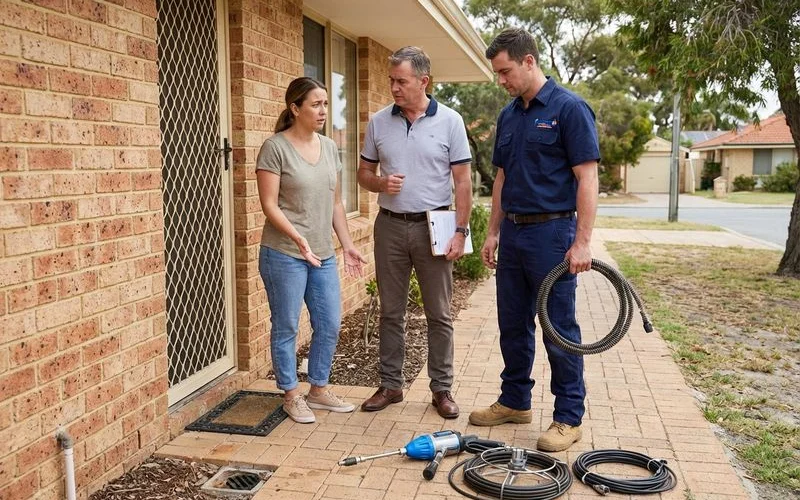
There are circumstances where the tenant may be held responsible for the cost of clearing a blocked drain. This generally applies when the blockage was caused by the tenant’s misuse or negligence.
Flushing inappropriate items. If the drain is blocked because the tenant flushed items such as wet wipes, sanitary products, nappies, cotton buds, or other non-flushable items down the toilet, the tenant may be held liable for the clearing cost. The plumber’s report, which often includes CCTV footage showing the cause of the blockage, is typically used as evidence in these cases.
Pouring grease down the drain. If a kitchen drain is blocked due to excessive grease and cooking fat being poured down the sink, the tenant may be responsible. However, some degree of grease buildup is considered normal use, and the landlord may still bear responsibility if the drain had not been professionally cleaned in a long time.
Neglecting to report problems. If a tenant notices a slow-draining fixture or foul odours from drains and fails to report the issue to the landlord or property manager, and the problem worsens as a result, the tenant may share some responsibility for the increased repair cost.
Causing physical damage. If the tenant or their guests physically damage the drainage system, for example by driving a heavy vehicle over a buried pipe or damaging an exposed pipe through careless activity, the tenant is responsible for the repair.
The key distinction is between normal use and misuse. Blockages that occur through normal everyday use of the plumbing system are the landlord’s responsibility. Blockages caused by clearly negligent behaviour or misuse are the tenant’s responsibility.
The Grey Area: How Disputes Are Resolved
In practice, determining who caused a blockage is not always straightforward. A drain may block due to a combination of factors, including aging pipes, minor root intrusion, and some buildup from normal use. When both parties disagree about responsibility, the following steps typically apply.
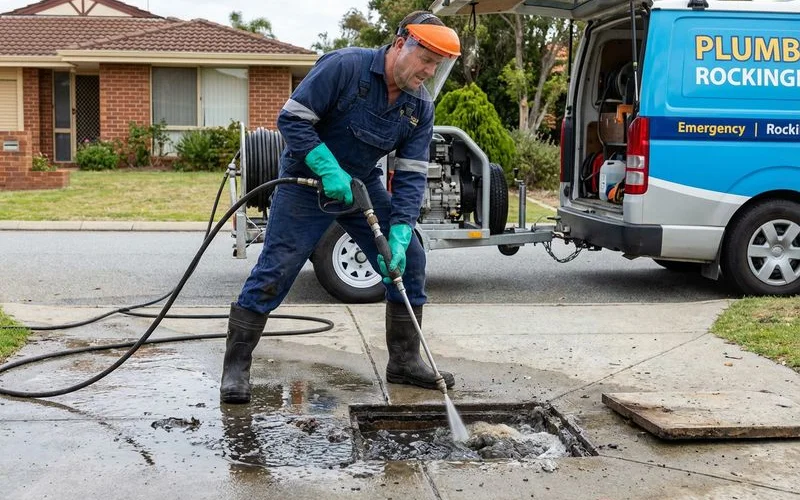
The plumber’s report is key. A licensed plumber who clears the blockage and inspects the drain can usually determine the cause. If the plumber finds tree roots, a structural defect, or a collapsed pipe, the landlord is clearly responsible. If the plumber extracts a mass of wet wipes or finds a foreign object lodged in the pipe, the evidence points toward the tenant.
CCTV footage provides clear evidence. A CCTV drain inspection provides video evidence of what caused the blockage. This footage is difficult to dispute and provides a fair basis for determining responsibility.
Property managers play a mediating role. In most Rockingham rental properties managed by a property management agency, the property manager will coordinate the plumber call-out, review the plumber’s report, and advise both parties on the likely responsibility based on the evidence.
The Magistrates Court is the last resort. If the landlord and tenant cannot agree on responsibility and the amount in dispute is significant, either party can apply to the Magistrates Court for a determination. In practice, this is rare for drain blockages, as the cost of the court process often exceeds the repair cost.
Urgent Repairs Under WA Tenancy Law
Under the Residential Tenancies Act, a blocked or broken drain that causes flooding or sewage backup is classified as an urgent repair. This is important because it changes the obligations and timeframes for both parties.
For urgent repairs, the tenant must notify the landlord or property manager as soon as possible. If the landlord or property manager cannot be contacted, or if they do not organise repairs within a reasonable timeframe, the tenant has the right to arrange the repair themselves and seek reimbursement from the landlord, up to a prescribed limit.
The current prescribed limit for urgent repairs arranged by the tenant in WA is $1,800. The tenant should obtain a quote before the work is done if possible, use a licensed plumber, and keep all receipts and documentation. The landlord is then required to reimburse the tenant within 14 days.
It is important to note that this provision is for genuine emergencies where the landlord is uncontactable or unresponsive. If the landlord or property manager acknowledges the issue and is arranging a plumber, the tenant should allow them to manage the repair process.
Practical Steps for Tenants
If you are a tenant in Rockingham and experience a blocked drain, follow these steps.
Report it immediately. Contact your property manager or landlord as soon as you notice a problem, whether it is a slow drain, gurgling sounds, or a foul odour. Do not wait for the problem to become a full blockage or overflow. Report the issue in writing, by email or through your property management portal, so there is a record of the notification date and time.
Do not attempt major repairs yourself. While using a plunger on a minor toilet or sink blockage is fine, do not use chemical drain cleaners, disassemble plumbing, or attempt to clear a sewer blockage yourself. You could cause further damage and complicate the responsibility question.
Document the problem. Take photos or videos of the blocked drain, any water damage, and the conditions surrounding the issue. This documentation is helpful if there is a dispute about responsibility later.
Know your rights. If the landlord or property manager does not respond to an urgent drain blockage within a reasonable timeframe, you have the right to arrange emergency repairs up to $1,800 and seek reimbursement.
Practical Steps for Landlords
If you are a landlord with rental properties in Rockingham, these practices will help you manage drain issues effectively.
Respond promptly. Drain blockages can escalate quickly from an inconvenience to a property damage event. A fast response protects your property and maintains a good relationship with your tenant.
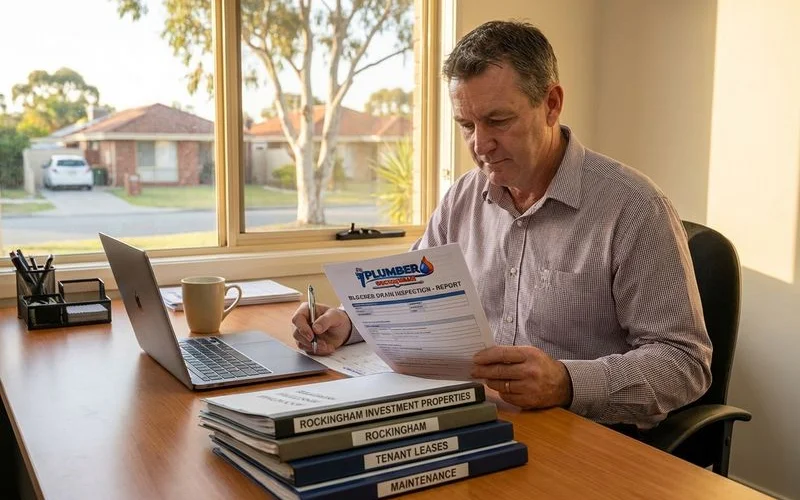
Use a licensed plumber who provides detailed reports. When arranging drain clearing, use a plumber who will document the cause of the blockage, ideally with CCTV footage. This evidence protects you if the cause was tenant misuse and helps you make an informed decision about whether to bill the tenant for the repair.
Schedule preventive maintenance. If your property has older drain pipes, mature trees near the drain lines, or a history of blockages, scheduling a periodic professional drain inspection and clean can prevent blockages from occurring in the first place. The cost of preventive maintenance is far less than emergency call-outs and potential water damage claims.
Include drain care guidelines in the lease. While you cannot override tenancy law with lease clauses, including clear information about what should and should not go down drains helps educate tenants and reduces the likelihood of misuse-related blockages.
Getting the Problem Fixed
Regardless of who is ultimately responsible for the cost, the most important thing is getting the blockage cleared quickly to prevent property damage and health risks. Arguing about responsibility while sewage is backing up into a property benefits no one.
For fast, professional blocked drain clearing in Rockingham rental properties, contact Plumber Rockingham. We provide detailed reports and CCTV footage with every drain clearing job, giving landlords, tenants, and property managers the evidence they need to resolve responsibility questions fairly. We service all suburbs across Rockingham, Baldivis, Port Kennedy, Secret Harbour, Warnbro, and surrounding areas.